
Osla Village Guide: History, Architecture & Traditions | Har Ki Dun Trek
For many trekkers, Osla is simply a village along the way to Har Ki Dun. But its traditional architecture, distinctive local beliefs, terraced fields and community life make it worth exploring in its own right. Whether you are planning a trek or a cultural village stay, take time to discover the stories and everyday life that make Osla special.
Where Is Osla Village?
Osla is a remote mountain village in the Tons Valley of Uttarkashi district, Uttarakhand. It lies along the classic Har Ki Dun trekking route, in the wider landscape of Govind Pashu Vihar National Park and Sanctuary. The Supin River and surrounding mountain scenery are part of the area's distinctive landscape.
How to Reach Osla
By Air
Jolly Grant Airport in Dehradun is the nearest major airport commonly used to reach the Sankri trekking region.
By Train
Dehradun is the main railway gateway for many travellers heading towards Sankri and the Har Ki Dun region.
By Road and Trek
A typical approach is Dehradun → Mussoorie → Purola → Mori → Naitwar → Sankri. From Sankri, travellers generally continue towards Taluka and then proceed on foot along the trekking trail towards Osla. Travel time depends on traffic, weather and road conditions.
The History and Spiritual Traditions of Osla
A Village Shaped by Mahabharata Legends
Osla is part of a cultural region where local beliefs and Mahabharata traditions are woven into community life. The village is particularly known for traditions associated with Duryodhana, a figure from the Mahabharata who is revered as a local deity in parts of the Tons Valley.
These beliefs are preserved through oral storytelling, rituals and community traditions. Local accounts can vary, making conversations with residents an important way to understand the village's heritage.
The Someshwar Devta Tradition
Someshwar Devta, a regional form of Shiva, is also associated with worship and community traditions in the valley. Local deities play an important role in seasonal rituals, festivals and the cultural identity of mountain communities.
A Pastoral and Agricultural Heritage
Terrace farming, livestock rearing and seasonal movement of animals have shaped village life for generations. These traditions have helped preserve local knowledge, dialects and ways of living adapted to the Himalayan environment.
Traditional Architecture of Osla
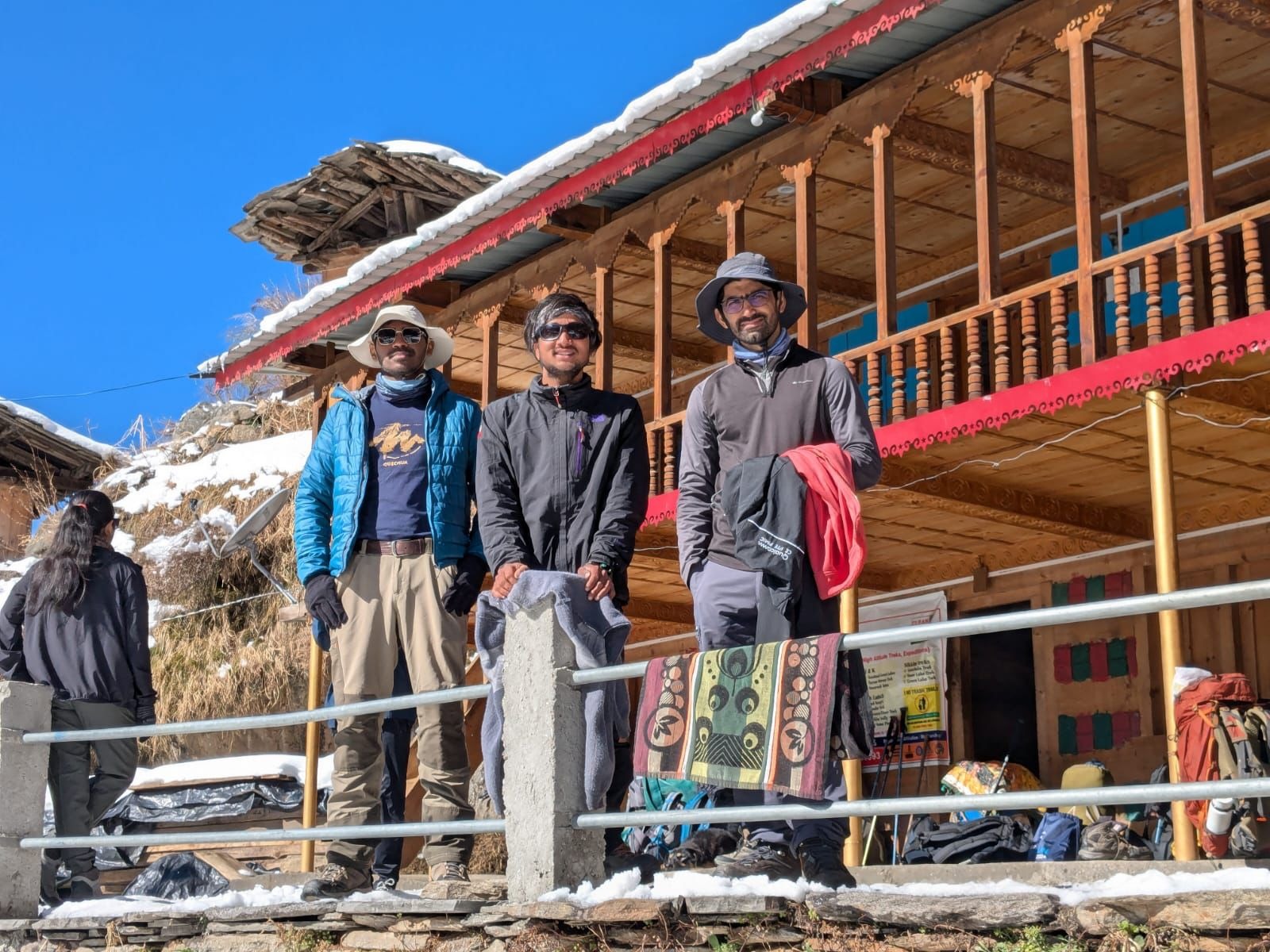
One of Osla's most memorable features is its traditional wooden and stone architecture. The houses, balconies, carved details and sloping roofs reflect craftsmanship adapted to the mountain climate.
Wood and Stone Construction
Traditional Himalayan buildings often combine local stone and timber. These materials provide practical insulation and make use of resources available in the surrounding region. Construction styles and materials can vary from one building to another.
Multi-Storey Homes and Wooden Balconies
- Ground floors may be used for livestock shelter or storage.
- Upper floors commonly contain living and sleeping spaces.
- Wooden balconies and verandas provide space for everyday household activities.
- Carved doors, window frames and sloping roofs showcase local craftsmanship.
Village Temples
Traditional temple buildings stand out for their woodwork, tiered roofs and detailed craftsmanship. They are also places where architecture, community memory and religious traditions come together.
Culture and Traditions of Osla
Everyday Village Life
Daily routines are closely connected to farming, livestock, household work and the changing seasons. In the evenings, neighbours may gather to talk, share stories and keep local traditions alive.
Festivals, Music and Fairs
Seasonal and religious celebrations across this part of Uttarakhand can include local music, dhol-damau drumming, folk dances and community meals. Dates often follow the local calendar, so ask your host or local residents before planning a festival visit.
Traditional Dress and Crafts
Woollen clothing, shawls and traditional caps are part of local life, particularly during colder months. Handcrafted items and woollen products also reflect the region's skills and cultural heritage.
Local Food to Try
- Red rice and locally prepared lentils.
- Rajma and other regional pulses.
- Mandua and jhangora-based dishes.
- Fresh seasonal vegetables and homemade dairy products.
- Hot tea and traditional breads.
A homestay meal can be a wonderful way to experience home cooking and learn about local ingredients from the people who prepare them.
Respecting Local Customs
- Ask permission before photographing residents or sacred places.
- Dress respectfully when visiting temples.
- Follow local rules for temple entry and visitor behaviour.
- Avoid littering, loud music and disturbance to village life.
Osla and the Har Ki Dun Trek
Osla is an important cultural stop on the Har Ki Dun trekking route. The wider journey passes through mountain settlements, forests, streams and open landscapes before reaching the high valley, known for its alpine scenery and views of peaks such as Swargarohini.
Typical Trekking Approach
- Travel from Dehradun to Sankri by road.
- Continue towards Taluka, subject to road access.
- Trek along the trail towards the Osla and Seema area.
- Continue towards Har Ki Dun according to your itinerary.
- Return along the planned route with your trekking team.
Spending time in Osla before or after a trek lets you experience the local culture rather than simply passing through the village.
Read more about the Har Ki Dun Trek itinerary to plan your Himalayan adventure.
Things to Do in Osla
- Explore local temples: Learn about the Duryodhana and Someshwar traditions while respecting local customs.
- Walk through village lanes: Notice the wooden houses, carved details and traditional building styles.
- Enjoy photography: Capture mountain scenery, terraced fields and village architecture with permission where needed.
- Meet local residents: Learn about farming, folklore and the rhythms of village life.
- Take a nature walk: Explore nearby paths only where access and local conditions permit.
- Look for Himalayan birds: The wider sanctuary landscape supports diverse birdlife.
- Enjoy the night sky: Clear nights may offer excellent stargazing when weather conditions allow.
Best Time to Visit Osla
Conditions vary with altitude and weather. Use the following seasonal guide as a starting point, and confirm local trail access before travel.
| Season | Months | What to Expect |
|---|---|---|
| Spring | March–May | Seasonal blooms and milder daytime weather. |
| Early Summer | June | Green landscapes and trekking opportunities, depending on conditions. |
| Monsoon | July–August | Rain, slippery trails and increased landslide risk. |
| Autumn | September–November | Often clearer skies and crisp mountain air. |
| Winter | December–February | Very cold weather, possible snow and restricted access. |
April to June and September to November are commonly chosen for the Har Ki Dun trekking season, but exact conditions change each year.
Why Stay in a Homestay in Osla?
A village homestay gives you an opportunity to experience Osla beyond its trekking trail. It can offer a welcoming place to rest, home-cooked meals and a chance to learn about local customs directly from residents.
- Experience hospitality from a local family.
- Enjoy home-cooked food inspired by regional ingredients.
- Support the local village economy through your stay.
- Take time to explore the village before or after your trek.
- Ask locally about trail conditions, weather and cultural etiquette.
HomeStay Osla offers a local base for travellers looking to experience village life while exploring the Har Ki Dun region.
Experience Osla Beyond the Trek
Slow down, discover local culture and enjoy a welcoming Himalayan village stay. Plan your visit with HomeStay Osla.
Plan Your Stay →Travel Tips for Osla Village
- Carry cash: ATM access and digital connectivity may be unreliable beyond Sankri.
- Pack warm layers: Temperatures can fall considerably after sunset.
- Bring suitable gear: Good trekking shoes, rain protection, a torch and a power bank are useful.
- Check permits: Confirm current forest permissions and entry requirements with the relevant authorities or your trek operator.
- Allow time to acclimatise: Avoid rushing your ascent to higher elevations.
- Protect the environment: Carry your waste back and minimise single-use plastics.
- Book ahead: Arrange accommodation early during busy trekking periods.
Frequently Asked Questions About Osla
What is Osla Village famous for?
Osla is known for its traditional wooden architecture, local religious traditions and location along the Har Ki Dun trekking route.
Is Osla on the way to Har Ki Dun?
Yes. Osla is a well-known village stop on the Har Ki Dun trekking approach. The precise route and overnight stops depend on trail conditions and your itinerary.
How do I reach Osla from Sankri?
Travellers typically continue towards Taluka and then trek along the mountain trail. Confirm road access, current distances and trail conditions locally before departure.
Can I stay overnight in Osla?
Yes. Village homestays may offer overnight accommodation and meals. Contact your chosen host in advance to confirm availability and facilities.
Is Har Ki Dun suitable for beginners?
Har Ki Dun is commonly considered a moderate trek. Suitability depends on fitness, weather, altitude response and trail conditions. First-time trekkers should plan carefully and follow qualified local guidance.
Why is Duryodhana worshipped in Osla?
Local oral traditions in parts of the Tons Valley honour Duryodhana as a deity. Residents and local temple representatives can explain the versions of the story preserved in their community.
What is the best time to visit Osla?
Spring, early summer and autumn are popular periods, although weather and access vary. Check the latest local conditions before confirming your trip.
Osla Is More Than a Stop on the Map
Osla's traditional homes, Mahabharata-linked beliefs, mountain landscapes and community hospitality make it worth experiencing at a slower pace. Walk through the village respectfully, listen to local stories and take time to appreciate the culture that makes this part of Uttarakhand distinctive.
Make your visit more meaningful by planning a village stay alongside your trekking adventure.
Ready to Discover Osla?
Connect with HomeStay Osla to plan your visit and experience Himalayan village hospitality.
Contact HomeStay Osla →Explore More
Travel information is a general guide. Verify current road access, permits, accommodation, weather and trekking conditions before travelling.
